Many gynecological conditions can significantly impact a woman’s health, comfort, and quality of life. Persistent heavy menstrual bleeding, large uterine fibroids, chronic pelvic pain, adenomyosis, uterine prolapse, and certain precancerous conditions may require surgical treatment when conservative methods fail to provide adequate relief. In such cases, hysterectomy is often considered one of the most effective treatment options. If you are looking for expert Hysterectomy Surgery in Dwarka, Dr Gargi Vikas Sharma provides comprehensive evaluation, personalized treatment planning, and advanced surgical care to help women achieve long-term relief from troublesome gynecological conditions.
A hysterectomy is a commonly performed gynecological procedure that can significantly improve quality of life for women experiencing chronic symptoms. Modern surgical techniques and individualized care have made the procedure safer, more effective, and associated with faster recovery than ever before.
A hysterectomy is a surgical procedure performed to remove the uterus. After a hysterectomy, a woman no longer experiences menstrual periods and cannot become pregnant.
Depending on the medical condition, the surgery may involve removal of:
· The uterus only
· The uterus and cervix
· The uterus and one ovary
· The uterus and both ovaries
· The uterus, ovaries, and fallopian tubes
The type of hysterectomy recommended depends on the underlying condition and the patient’s health needs.
Hysterectomy Surgery in Dwarka may be recommended when other treatment methods are ineffective or when surgery offers the best long-term solution.
Large fibroids may cause heavy bleeding, pelvic pressure, pain, and urinary symptoms that affect daily life.
Persistent or excessive menstrual bleeding that does not respond to medication may require hysterectomy.
This condition occurs when the uterine lining grows into the muscular wall of the uterus, causing pain and heavy periods.
Severe endometriosis that does not improve with conservative treatment may require surgical intervention.
When the uterus slips from its normal position due to weakened pelvic muscles, hysterectomy may be considered.
Persistent pain related to uterine disorders can significantly affect quality of life and may require definitive treatment.
Certain abnormal cellular changes in the uterus or cervix may necessitate surgical removal to prevent disease progression.
Different types of hysterectomy are performed depending on the patient's diagnosis and treatment goals.
Removal of the uterus and cervix.
Removal of the uterus while preserving the cervix.
Removal of the uterus, cervix, surrounding tissues, and sometimes portions of the vagina in selected cases.
Removal of the uterus along with one or both ovaries and fallopian tubes.
The most suitable procedure is determined after thorough evaluation and discussion.
Several surgical techniques may be used.
Performed through a larger abdominal incision.
The uterus is removed through the vagina without abdominal incisions.
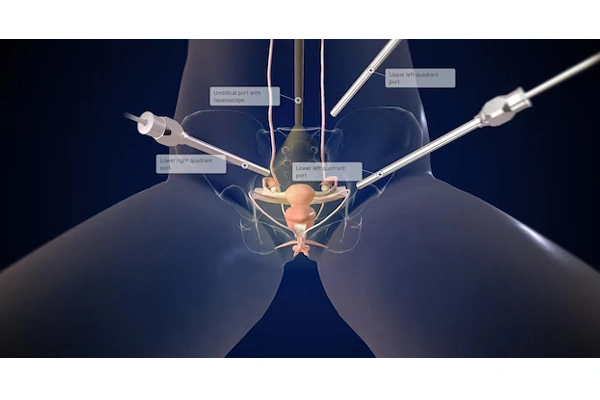
A minimally invasive technique using small abdominal incisions and specialized instruments.
An advanced minimally invasive approach utilizing robotic-assisted technology for enhanced precision.
The choice of surgical method depends on the patient’s condition, anatomy, and treatment requirements.
For appropriately selected patients, hysterectomy can provide substantial health benefits.
Many women experience complete resolution of abnormal uterine bleeding.
Symptoms caused by fibroids, adenomyosis, or other uterine conditions are often significantly improved.
Women frequently report better physical comfort and overall well-being after recovery.
Hysterectomy offers definitive treatment for many chronic gynecological disorders.
Many conditions are permanently resolved following surgery.
A detailed preoperative assessment helps ensure safe and effective treatment.
Dr Gargi Vikas Sharma evaluates symptoms, previous treatments, and overall health.
A thorough gynecological assessment is performed.
Recommended tests may include:
· Blood tests
· Pelvic ultrasound
· Cervical screening when indicated
· Additional imaging studies if necessary
The most appropriate surgical approach is selected based on individual needs.
Recovery depends on the type of hysterectomy performed and the surgical technique used.
Hospitalization duration varies depending on the procedure.
Medications help manage postoperative discomfort and support recovery.
Patients are advised to resume activities progressively according to medical recommendations.
Regular follow-up visits monitor healing and address concerns.
Most women experience steady improvement and return to routine activities over time.
Although hysterectomy is generally safe, all surgical procedures carry some risks.
Potential complications may include:
· Bleeding
· Infection
· Injury to surrounding organs
· Blood clots
· Urinary complications
· Anesthesia-related risks
Careful surgical planning and postoperative care help minimize these risks.
Women may be candidates for hysterectomy if they have:
· Symptomatic uterine fibroids
· Severe abnormal uterine bleeding
· Adenomyosis
· Endometriosis
· Uterine prolapse
· Chronic pelvic pain
· Certain precancerous conditions
A detailed consultation helps determine whether hysterectomy is the most appropriate treatment option.
Dr Gargi Vikas Sharma provides expert gynecological surgical care focused on patient safety, comfort, and successful outcomes.
Patients trust her because of:
· Comprehensive gynecological expertise
· Personalized treatment planning
· Advanced surgical techniques
· Minimally invasive treatment options
· Thorough preoperative evaluation
· Compassionate patient care
· Focus on faster recovery
· Commitment to women's long-term health
To support healing after surgery:
· Follow all medical instructions carefully
· Attend scheduled follow-up visits
· Maintain proper hydration
· Eat a balanced diet
· Avoid heavy lifting initially
· Take prescribed medications as directed
· Report unusual symptoms promptly
Proper postoperative care contributes to successful recovery and long-term well-being.
Hysterectomy is a highly effective treatment option for many chronic and debilitating gynecological conditions. When conservative treatments are no longer effective, surgery can provide lasting relief and significantly improve quality of life. If you are seeking expert Hysterectomy Surgery in Dwarka, Dr Gargi Vikas Sharma offers comprehensive evaluation, advanced surgical care, and personalized treatment designed to achieve the best possible outcomes.
A hysterectomy is a surgical procedure that removes the uterus and is used to treat various gynecological conditions.
It may be recommended for fibroids, abnormal bleeding, adenomyosis, endometriosis, uterine prolapse, and certain precancerous conditions.
No. Pregnancy is not possible after the uterus has been removed.
Recovery depends on the surgical approach used, but minimally invasive techniques generally allow faster recovery.
Yes. When performed by an experienced gynecological surgeon, hysterectomy is generally considered a safe and effective treatment option.



Write a Reply or Comment